Maintenance
How Often Should You Really Change Your Oil?
The old rule of every 3,000 miles is outdated. Here is what modern vehicles actually need and how to tell when your oil genuinely needs changing.
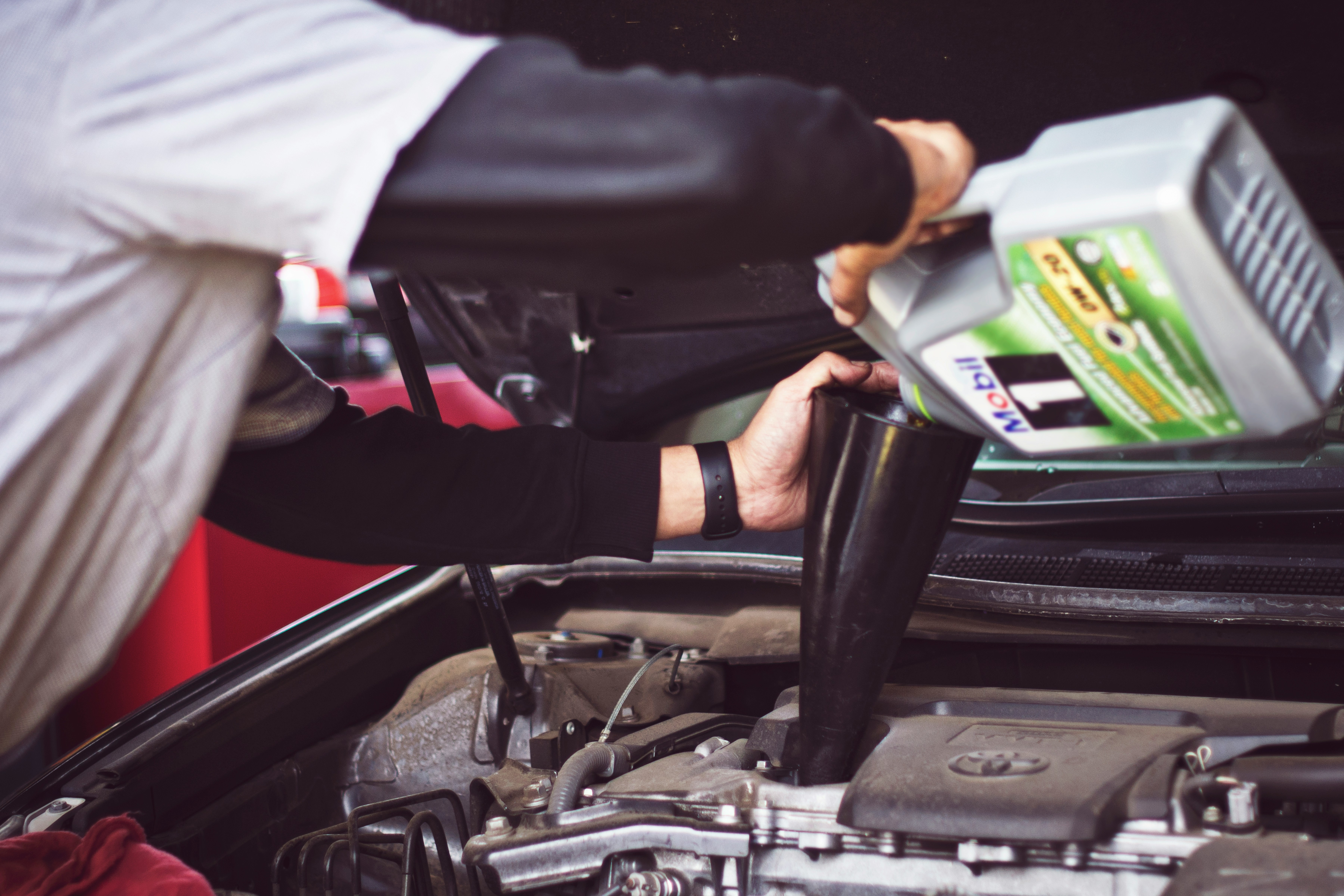
INTRODUCTION
If you have ever taken your car to a quick lube shop you have probably been told you need an oil change every 3,000 miles. It is one of the most repeated pieces of car advice in history — and for most modern vehicles it is completely wrong.
The truth is that oil change intervals depend on your specific vehicle, the type of oil you use and how you drive. Getting it wrong in either direction costs you money — either through unnecessary oil changes or through engine damage caused by running on degraded oil for too long.
WHERE DID THE 3,000 MILE RULE COME FROM?
The 3,000 mile recommendation dates back to the 1970s when conventional motor oil degraded much faster than it does today. Engine tolerances were also much looser back then, meaning oil got dirty more quickly.
Fast forward to today and modern engines are built to much tighter tolerances. Modern synthetic and semi-synthetic oils are significantly more advanced than the oils available in the 1970s and can last far longer without breaking down.
The 3,000 mile rule was never based on science it was a marketing recommendation that became accepted as fact. Most automotive engineers and manufacturers agree it is outdated.
THE REAL COST OF CHANGING YOUR OIL TOO LATE
Skipping oil changes or stretching them too far is one of the most expensive mistakes a car owner can make. Here is what can happen when oil is left too long:
Sludge Buildup Degraded oil thickens into a sludge that can clog oil passages and starve your engine of lubrication. Removing sludge requires an engine flush or in severe cases an engine rebuild.
Increased Engine Wear Degraded oil loses its ability to create a protective film between moving parts. Metal contacts metal causing accelerated wear on pistons, bearings and camshafts.
Overheating Oil also helps cool your engine. Degraded oil is less effective at transferring heat, which can contribute to overheating especially in summer.
Engine Failure In the worst cases running an engine on severely degraded or depleted oil can cause complete engine seizure. A full engine replacement can cost $4,000 to $10,000 or more depending on your vehicle.
Compare that to the cost of a regular oil change usually $49 to $100 and the math is very clear
OUR SIMPLE GUIDE, HOW OFTEN TO CHANGE YOUR OIL
Use this as a starting point and always cross reference with your owner's manual:
Conventional Oil: Every 5,000 miles or every 6 months
Semi-Synthetic Oil: Every 7,500 miles or every 9 months
Full Synthetic Oil: Every 10,000 to 12,000 miles or every 12 months
Severe Driving Conditions: Reduce all of the above intervals by 20 to 30 percent
Oil Warning Light On: Change within 500 miles regardless of interval