Brakes & Safety
Squeaking Brakes, What It Means And What To Do
Squeaking brakes are one of the most common concerns we hear from car owners. Here is exactly what causes it and when you need to act fast.
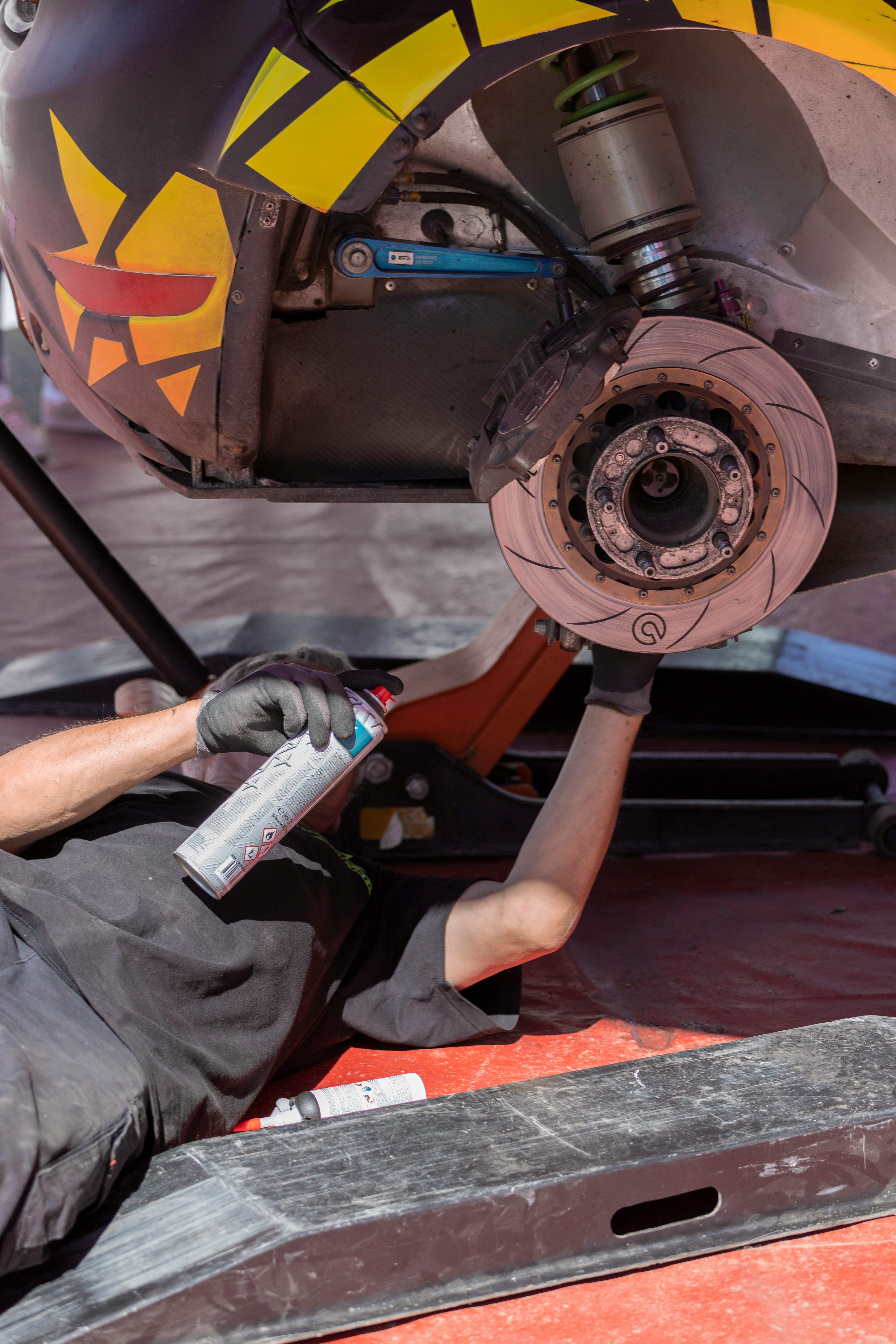
INTRODUCTION
Few things get a car owner's attention faster than an unexpected noise from the brakes. Whether it is a high pitched squeak when you slow down, a grinding sound when you press the pedal or a scraping noise that seems to come and go — brake noise is your car telling you something.
The question is — what exactly is it telling you? And how urgent is it?
The answer depends entirely on the type of noise, when it happens and how long it has been going on. In this guide our senior mechanic James Carter breaks down every type of brake noise, what causes it and exactly what you should do about it.
WHY DO BRAKES MAKE NOISE?
Your brakes work by pressing brake pads against a metal rotor to create friction and slow the vehicle down. This system involves multiple components pads, rotors, calipers, hardware and brake fluid all working together under significant heat and pressure.
When any of these components wear down, overheat or malfunction they often produce noise as the first warning sign. Understanding the type of noise helps identify the cause.
THE MOST COMMON MISTAKE CAR OWNERS MAKE
The single most common mistake we see car owners make with brake noise is ignoring it and hoping it goes away.
Brake noise almost never goes away on its own. What starts as a simple wear indicator squeal a $89 brake pad replacement can quickly become a warped rotor and worn pad replacement costing $200 to $300 or more if ignored. Leave it even longer and you risk complete brake failure.
The irony is that brakes give you more warning than almost any other system in your car. They squeal before they are dangerous. They grind before they completely fail. The noise is the warning and ignoring warnings is always more expensive than acting on them.
WHEN IS IT SAFE TO KEEP DRIVING?
Probably Safe For A Short Period: Light morning squeal that disappears after the first few stops Squealing from brand new brake pads in the first 300 miles Very occasional light squeak on cold mornings
Book A Service Within A Few Days: Consistent squealing every time you brake Squeaking while driving that is not related to braking Any vibration or pulsing through the pedal
Stop Driving, Call A Mechanic Now: Grinding or metal on metal sound Brake pedal going closer to the floor than normal Car pulling sharply to one side when braking Burning smell after braking Brake warning light on your dashboard